Medicinal

Discovery of the world’s earliest medicinal plant use in Morocco

Discovery of the world’s earliest medicinal plant use in Morocco

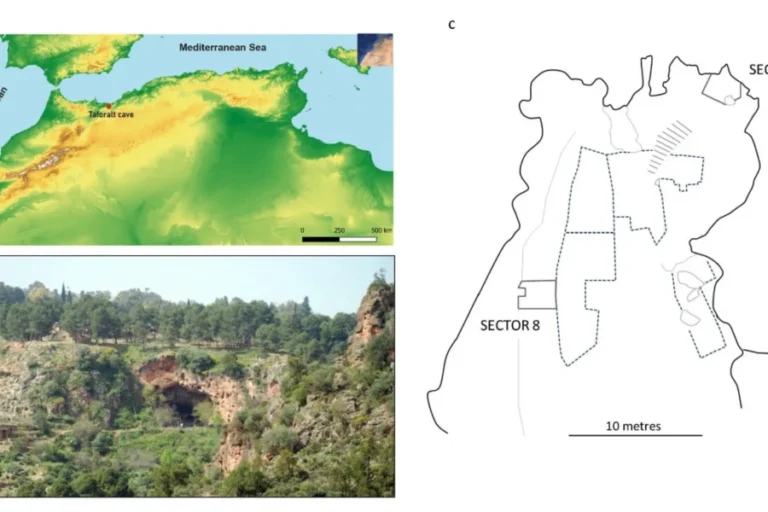
An international team has uncovered archaeological evidence of the earliest known medicinal use of plants in the Pigeon Cave at Taforalt, located in Morocco’s Oriental region, as announced by the National Institute of Archaeology and Heritage (INSAP). This discovery dates back 15,000 years and has been detailed in a publication by the prestigious journal Nature….
Alcohol consumption in the natural world is way more common than you thought

Alcohol consumption in the natural world is way more common than you thought

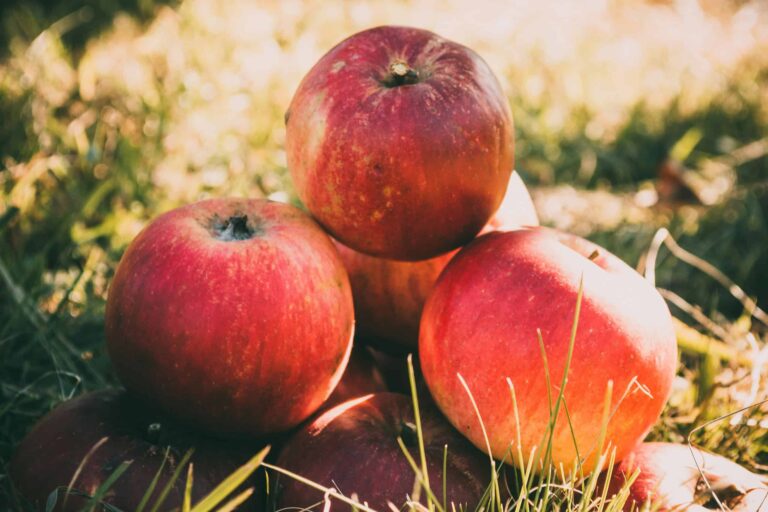
Alcohol isn’t solely a human construct. Ethanol, a type of alcohol, naturally occurs across ecosystems. From jungles to deserts, wherever sugary foods ferment, ethanol is found. So, behavioral ecologist Kimberley Hockings from the University of Exeter challenges the traditionally human-centered view of ethanol, suggesting it has a broader ecological role. “We’re moving away from this…

Historical use of medicinal plants and future potential from phytotherapy to phytochemicals

Since the prehistoric times, humans have understood that plants, possessed healing abilities. The knowledge of herbal medicine has been accumulated for millennia by traditional healers and has been passed down from generation to generation. Phytotherapy has been used as the main therapy until the 18th century. Even today, between 40% and 80% of pharmaceuticals are…

CBD reportedly discovered in plant that’s not cannabis

CBD reportedly discovered in plant that’s not cannabis

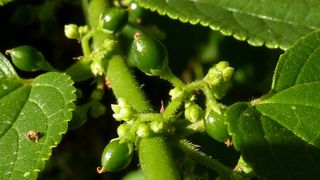
One of the two main active ingredients in marijuana has been found in a plant other than cannabis, researchers claim.  Scientists in Brazil said they’ve discovered cannabidiol (CBD) in the fruits and flowers of the Jamaican nettletree (Trema micranthum), an evergreen shrub that is native to tropical and subtropical regions of North and South America,…

A Review of Therapeutic and Medicinal Uses of Fenugreek (Trigonella foenum-graecum L.)

Current lifestyle and excessive use of synthetic fertilizers in agriculture field promote an unhealthy lifestyle that urges the researchers looking for a healthy and beneficial diet >>> Shaheen, C., Ahmad, I. A., Aslam, R., Naz, S., Mushtaq, S., Ahmed, S., Iqbal, D., Ansar, S., Riaz, R., Abubakar, M., Riaz, T. Journal for Research in Applied…

Herba Sideritis: A putative adaptogen for reducing the risk of age-related cognitive decline and neurodegenerative disorders

Traditional use of Greek mountain tea (GMT), Herba Sideritis (Sideritis scardica Griseb.), is used to treat the common cold and mild gastrointestinal disorders. Recent studies suggest its potential efficacy for reducing the risk of age-related cognitive decline and neurodegenerative diseases, which could be associated with the common mechanisms of action. The aims of this monograph…

Enrichment of Olive Oils with Natural Bioactive Compounds from Aromatic and Medicinal Herbs: Phytochemical Analysis and Antioxidant Potential

Olive oil and herbs, two key components of the Mediterranean diet, are known for their beneficial effects on humans. In our study, we incorporated aromatic and medicinal herbs into local monovarietal olive oils via maceration procedures for enrichment. We identified the herbal-derived ingredients that migrate to olive oils and contribute positively to their total phenolic…

Drought-Adapted Mediterranean Diet Plants: A Source of Bioactive Molecules Able to Give Nutrigenomic Effects per sè or to Obtain Functional Foods

The Mediterranean diet features plant-based foods renowned for their health benefits derived from bioactive compounds. This review aims to provide an overview of the bioactive molecules present in some representative Mediterranean diet plants, examining their human nutrigenomic effects and health benefits as well as the environmental advantages and sustainability derived from their cultivation. Additionally, it…

Antioxidant Activity of Medicinal Plants and Herbs of North Aegean, Greece: Current Clinical Evidence and Future Perspectives

Medicinal plants and herbs constitute rich sources of flavoring, and aromatic compounds, namely phytochemicals, which have many positive impacts on human health, such as antioxidant, anticancer, antimicrobial, anti-inflammatory, cardioprotective, and … >>> Poulios, E., Vasios, G. K., Psara, E., Antasouras, G., Gialeli, M., Pavlidou, E., Tsantili-Kakoulidou, A., Troumbis, A. Y., Giaginis, C. The Natural Products…

Residual biomass from major aromatic and medicinal flora of the Mediterranean: challenges towards sustainable integration into food systems within the circular bioeconomy

Waste biomass from aromatic and medicinal plants (AMPs) encloses multifunctional compounds that could offer a poly-diverse pool of applications in sectors of food/feed, cosmetics, pharmaceuticals and agriculture. The production of essential oils (EOs) constitutes the main process that generates huge amounts of waste and/or by-product streams, since >95% of the AMPs is left as residual…